
Exploring the Social and Emotional Side of Celiac Disease
When we talk about celiac disease, the conversation often begins and ends with: “just avoid gluten.” And yes, mastering the gluten-free diet is essential – but it’s only part of the picture. The social and emotional impact of celiac disease is just as real, though often less visible.
Constantly having to scrutinize ingredients, politely decline food, or explain your condition to well-meaning but uninformed friends and family can take a quiet emotional toll. Many people with celiac disease report increased anxiety, self-consciousness, or even feelings of isolation over time. Research shows it’s not just physical symptoms – social life and mental well-being are often affected, too.
But here’s the good news: while your gluten-free journey is unique, you don’t have to walk it alone. With some planning, clear communication, and a healthy dose of self-compassion, it’s entirely possible to navigate social situations with more ease and confidence.
Let’s look at some common scenarios – from kids’ parties to family dinners – and explore real-life strategies to help you not just get through them, but truly thrive.
Scenario 1: Kids’ Birthday Parties

Birthday parties are full of excitement and tempting treats, but for a child with celiac disease, they can come with hidden risks. It’s natural for parents to feel protective, but with a little prep, you can help your child feel safe and included.
The Scene: A bouncy castle, glittering gift bags, and a table full of pizza and a towering gluten-filled cake.
The Challenge: Making sure your child stays safe – and still has fun.
Tips to Navigate:
- Call Ahead – A few days before the party, connect with the host to explain your child’s dietary needs and why avoiding even tiny traces of gluten is important. Most people appreciate the heads-up and genuinely want to help.
- Bring a Look-Alike Treat – Bring a gluten-free cupcake or mini cake, and if possible choose one that resembles the birthday cake. When everyone’s digging in, your child can enjoy their own special version without feeling left out.
- Pack a “Party Kit” – Include trusted snacks, a drink, and maybe even a small gluten-free pizza if needed. That way, they’ll have safe, satisfying options they enjoy.
- Empower Your Child – Even young kids can learn to say: “I can only eat food from home because I have celiac disease.” Practicing this ahead of time builds confidence. As they grow, involve them in reading labels and asking questions to help build independence.
Scenario 2: The Office Potluck
Potlucks are meant to bring colleagues together, but for someone with celiac disease, especially those who are newly diagnosed, they can spark quiet panic. Shared serving spoons, mystery ingredients, and cross-contact risks are real concerns.
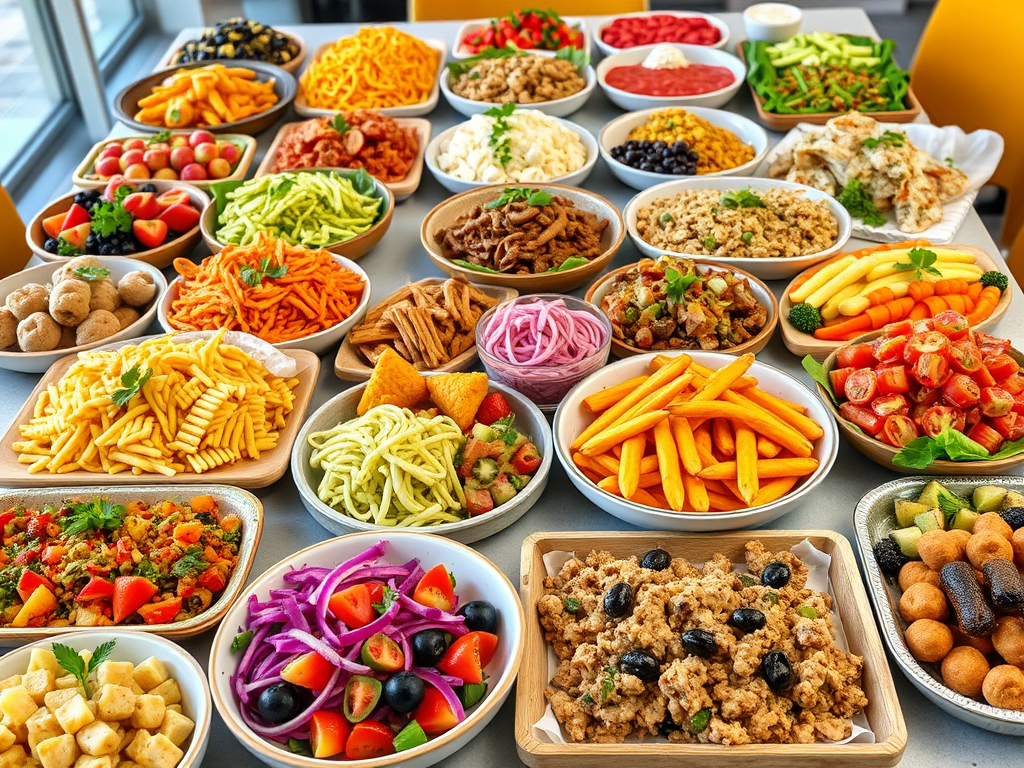
The Scene: Homemade dishes, warm conversation, and lots of mystery ingredients.
The Challenge: Protecting your health without feeling excluded or awkward.
Tips to Navigate:
- Bring a Substantial Dish – Bring a hearty, satisfying gluten-free option (like a quinoa salad, chili, or veggie casserole). You’ll be sure it’s safe, and others might enjoy it too.
- Be Mindful of “Gluten-Free” Offers – It’s a kind gesture when a colleague offers a prepared dish they believe is gluten-free. While you can certainly ask about how it was prepared, it’s important to remember that there’s a high risk of cross-contamination in shared kitchens and potluck settings. For this reason, it’s often safest to politely decline and rely on your own prepared dish.
- Keep Emergency Snacks Handy – Stock your desk with gluten-free snacks like granola bars, fruit, or crackers. It gives you peace of mind when options are limited.
- Educate Gently – If it feels right, a simple explanation can help. You can say something like: “Thanks for making this! I have to be really careful because even tiny crumbs can make me sick, so I bring my own food just to be safe. But I really appreciate your effort – it means a lot.”
Scenario 3: Family Gatherings
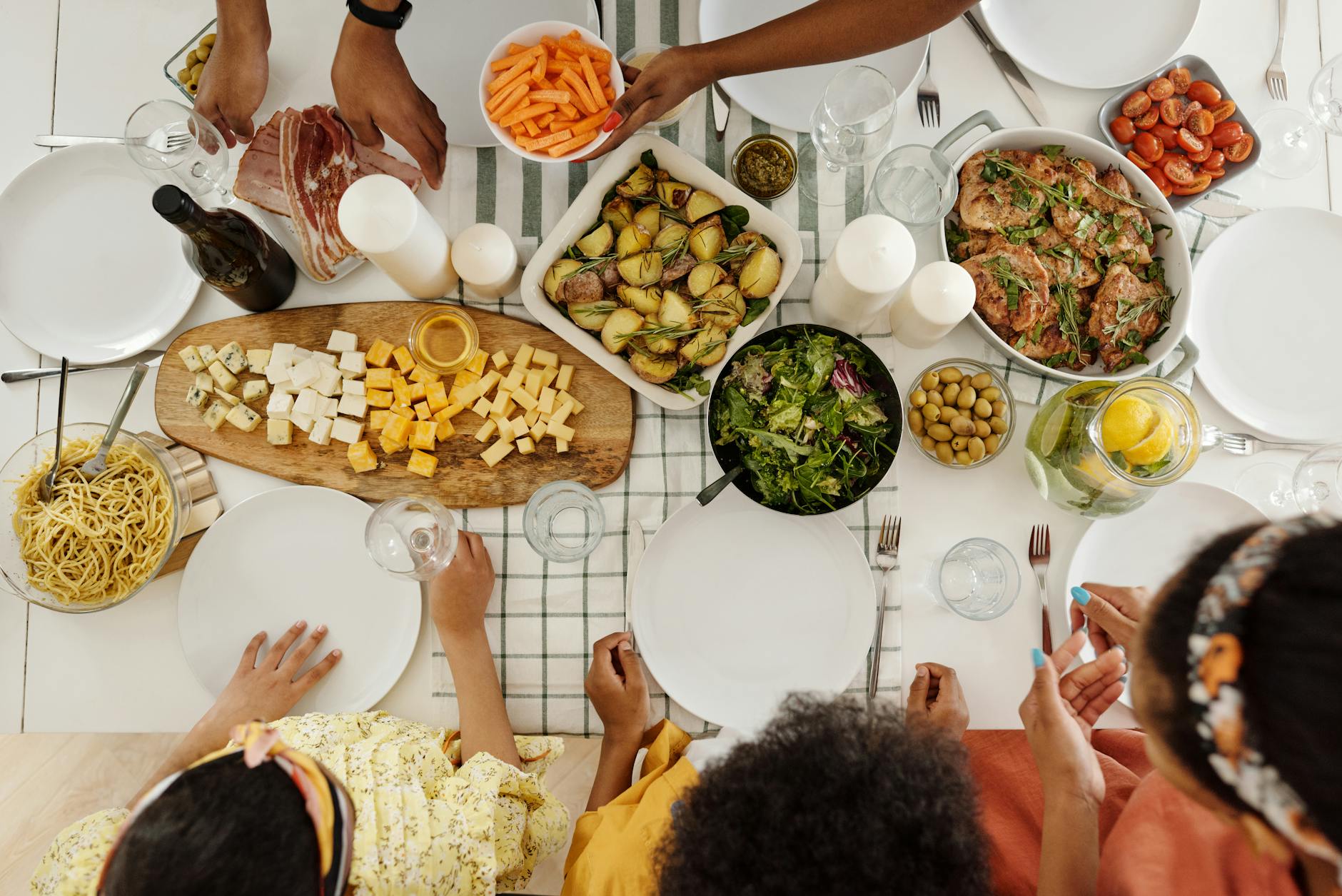
Where love is served in every spoonful – but so can gluten.
Food and family are deeply connected in many cultures, especially during holidays, celebrations, or weekend dinners at Grandma’s. But when you have celiac disease, family meals can get a little complicated with hidden gluten, shared serving spoons, and conversations that aren’t always easy. Most relatives truly want to help – they just may not know how yet.
The Scene: Grandma’s famous stuffing, Auntie’s secret gravy, and lots of shared platters.
The Challenge: Protecting your health while honouring family traditions and emotions.
Tips to Navigate:
- Call Ahead with Care – Gently explain your dietary needs before the gathering – that gluten isn’t just in bread or pasta, but can also hide in sauces, spices, and shared prep areas, and that even a crumb can cause harm. Clear communication before the event can help avoid stress on the day.
- Bring a Gluten-Free Dish (or Two) – Offer to contribute something tasty and safe. Even better? Give a gluten-free twist to a beloved family recipe like pakoras with gluten-free chickpea flour, or stuffing made with gluten-free bread. It helps you stay rooted in the traditions you love – in a way that’s safe, meaningful, and still full of connection.
- Help in the Kitchen (If You Feel Comfortable) – Sometimes, being part of the prep can give you more peace of mind. It’s also a chance to gently educate loved ones – whether that’s offering ingredient swaps or helping set up the gluten-free dishes separately. Involving others in label reading and safe cooking habits can be a great way to share what you’ve learned and lead by example.
- Create a “Safe Zone” at the Table – Set aside a dedicated area on the counter or table just for gluten-free dishes, and give each one its own serving spoon or tongs. It might seem like a small step, but it makes a big difference. Cross-contact is one of the most common ways people with celiac disease get accidentally exposed to gluten – so keeping things separate helps keep everyone safe.
- Share Your “Why” with Compassion –
If someone seems confused or a little hurt, it’s okay to gently explain. You might say: “I know it might seem strict, but even a small amount of gluten can make me really sick. It’s not a choice – it’s a medical condition. I truly appreciate your support.” A little understanding can go a long way. Most people want to help, but may not fully grasp the seriousness of celiac disease until they’re informed.
Celiac and Self-Care Beyond the Plate
Managing celiac disease isn’t just about food; it’s also about emotional resilience. Here’s how to nurture your inner strength to navigate the challenges:
- Speak Up for Yourself – Whether you’re dining out or attending a party, it’s okay to explain your needs and ask questions. Your health matters; setting boundaries is part of self-care.
- Find Community – Connecting with others who “get it”, whether online or in local groups, can ease the emotional weight and remind you that you’re not alone. Sharing experiences can reduce isolation, build confidence, and offer practical insights for managing celiac disease in a variety of everyday situations.
- Care for Your Mental Health – There may be days where it feels frustrating, isolating, or overwhelming. If the emotional burden grows heavy, reach out to a healthcare provider or mental health professional. You deserve support.
- Celebrate Small Wins – Every safe meal, new gluten-free product, or understanding conversation is worth a little recognition. These small victories build confidence and remind you of your progress.
Living with celiac disease means adapting – but it doesn’t mean missing out. While food choices are central, nurturing your mental well-being, social confidence, and sense of community are just as important. With preparation, communication, and the right support, you can build a life that’s safe, joyful, and full of flavour – both on and beyond the plate.
 Nourish to Thrive RD