
What Works and What Doesn’t
Walk into any grocery store, scroll through social media, or flip through a health magazine, and you’ll undoubtedly see the word protein. As a Registered Dietitian, I can confirm it’s a topic that comes up often in discussions about energy, muscle, and especially weight loss.
Let’s be clear, though: while protein is a valuable ally in your weight management journey, it’s not a magic bullet. Simply eating more of it won’t automatically lead to fat loss. To truly understand its impact, we need to look at what the science actually says about protein and weight loss – and what really works.
Lately, I’ve had a lot of questions from clients about protein, especially how much they need and how it fits into their goals. That’s why I decided to write this post to share evidence-based answers in a clear and supportive way.
There’s a lot of information out there, and it can be tough to know what’s actually helpful.
It’s also important to recognize that there’s no one-size-fits-all approach to health or weight. Body weight is influenced by many factors – including genetics, hormones, medical conditions, stress and sleep – not just diet and exercise.
Not everyone needs to lose weight, and weight alone doesn’t define health.
As a dietitian, my goal isn’t to tell anyone they should or shouldn’t lose weight. Instead, I focus on helping my clients feel nourished, build sustainable habits, and support their overall well-being, whatever their personal goals may be.
This post explores how protein can support appetite, body composition, and overall well-being – even if weight loss isn’t part of your personal health goals.
How Protein Supports Healthy Weight Loss
Protein plays a key role in supporting your weight loss efforts for several reasons:
1) It Helps You Feel Full Longer
Protein takes longer to digest than carbohydrates or fats. It helps you feel satisfied and also helps manage hunger between meals. This can lead to fewer cravings and reduce the likelihood of overeating later in the day.
Research shows that protein effectively suppresses appetite, increases fullness, increases satiety hormones (like CCK and GLP-1) while decreasing ghrelin, often called the “hunger hormone.” The takeaway? A protein-rich meal can help you feel fuller for longer, supporting your weight goals without leaving you feeling deprived.
2) It Gives Your Metabolism a Gentle Boost
Your body expends calories just to digest and process food, a phenomenon known as the Thermic Effect of Food (TEF) or Diet Induced Thermogenesis (DIT). Protein has a higher TEF compared to other macronutrients.
Approximately 20–30% of the calories from protein are used during digestion, significantly higher than the 5–10% for carbohydrates and a mere 0–3% for fats. So your body burns more calories digesting protein, offering a small yet meaningful boost to your metabolism.
3) It Helps Preserve Muscle While Losing Weight
When you lose weight, it’s not always just fat; your body can also lose muscle, especially if your protein intake is insufficient. This is problematic because muscle is metabolically active, meaning it helps you burn more calories even at rest.
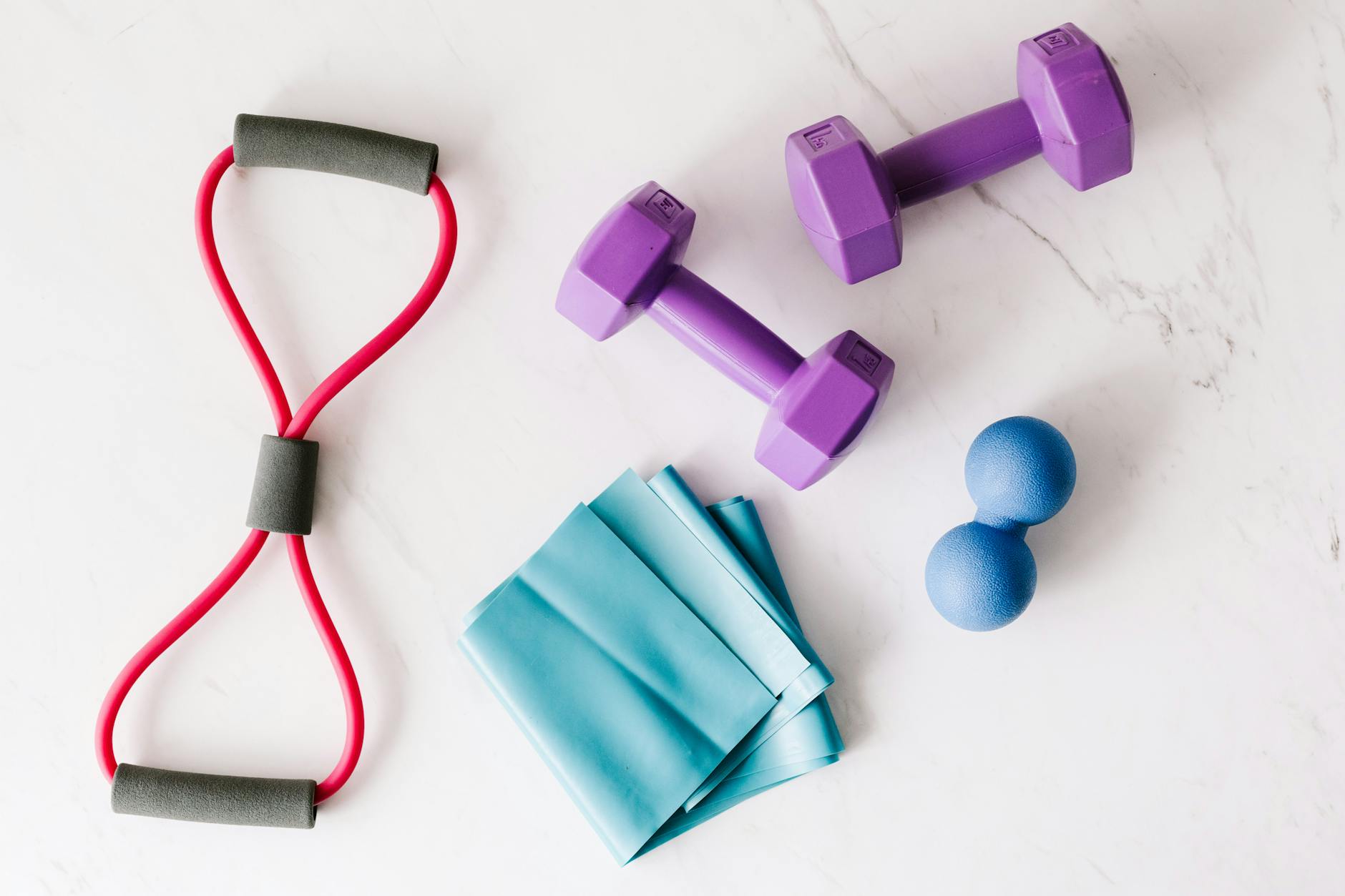
Consuming enough protein helps protect this valuable lean muscle mass as you lose weight. This benefit is enhanced when combined with regular movement or strength training.
How Much Protein Do You Actually Need for Weight Loss?
If you’re actively working to lose weight, your protein needs are likely higher than the standard recommendation of 0.8 grams per kilogram of body weight.
Here’s what current research suggests:
- A 2016 systematic review and meta-analysis of 20 randomized trials found that adults consuming more than 1.0 g/kg/day preserved significantly more lean muscle during weight loss compared to those consuming less than 1.0 g/kg.
- A 2024 meta-analysis of 28 studies found that increased protein intake significantly helped prevent muscle mass loss. This was particularly noted in adults with overweight or obesity trying to lose weight. Intakes above 1.3 g/kg/day supported muscle preservation and gain, while intakes below 1.0 g/kg/day were linked to loss of muscle mass.
- Another 2024 meta-analysis found that higher protein intake helped reduce the drop in metabolism that often occurs with weight loss. For each 1% increase in protein intake, resting energy expenditure (REE) increased by about 3 kcal/day, particularly among individuals who lost more than 5% of their body weight. This suggests that higher protein intake may help keep a healthier metabolism during and after weight loss.
For best results, aim to spread your protein intake evenly throughout the day.
Common Myths
It’s easy to fall for misconceptions when so much information is circulating. Let’s bust a few common protein myths:
Myth: “The more protein, the better.”
Reality: While protein is crucial, consuming more than your body actually needs still adds extra calories. And just like any other nutrient, excess calories – even from protein – can contribute to weight gain.
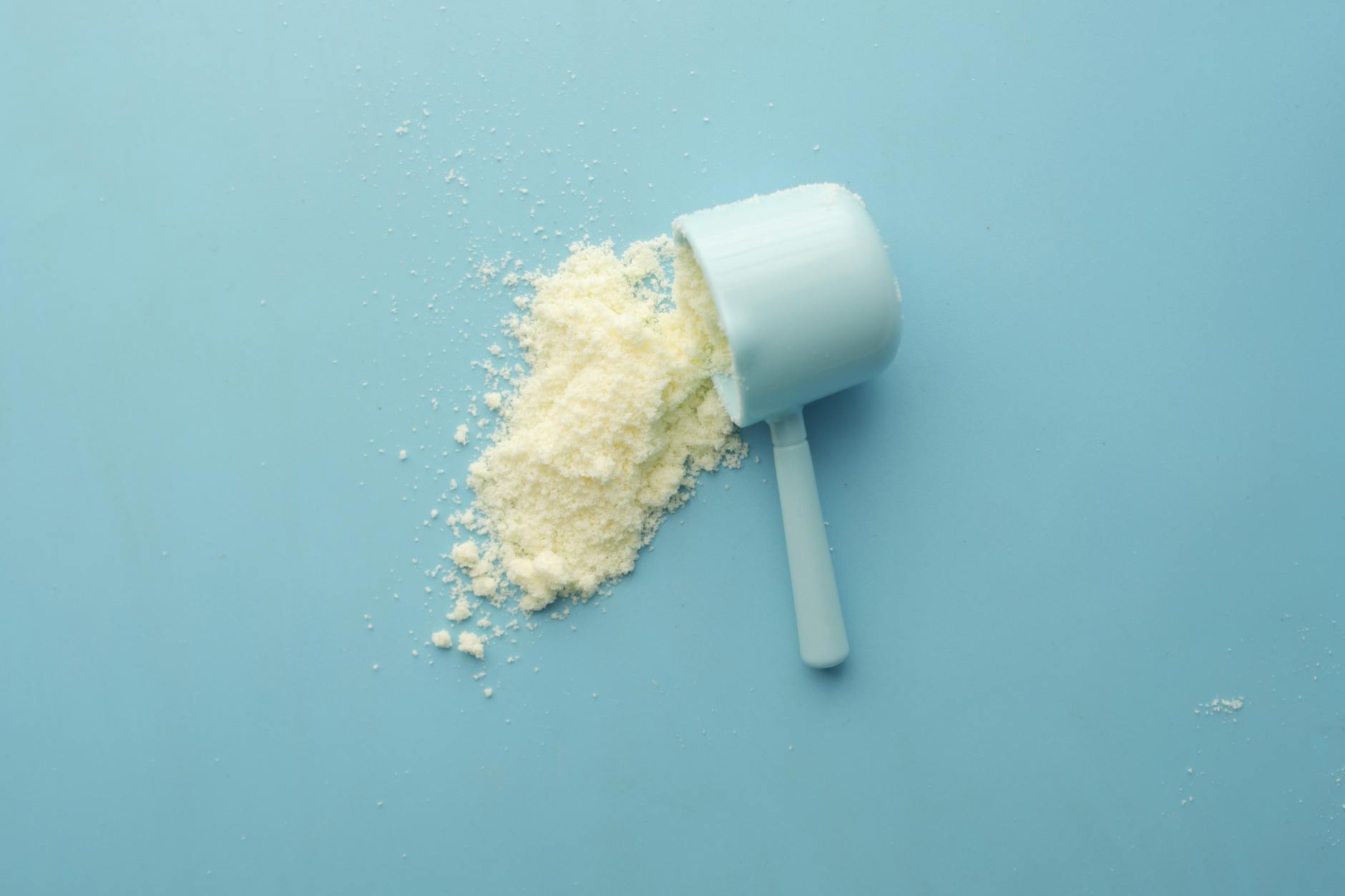
Myth: “You need protein shakes to lose weight.”
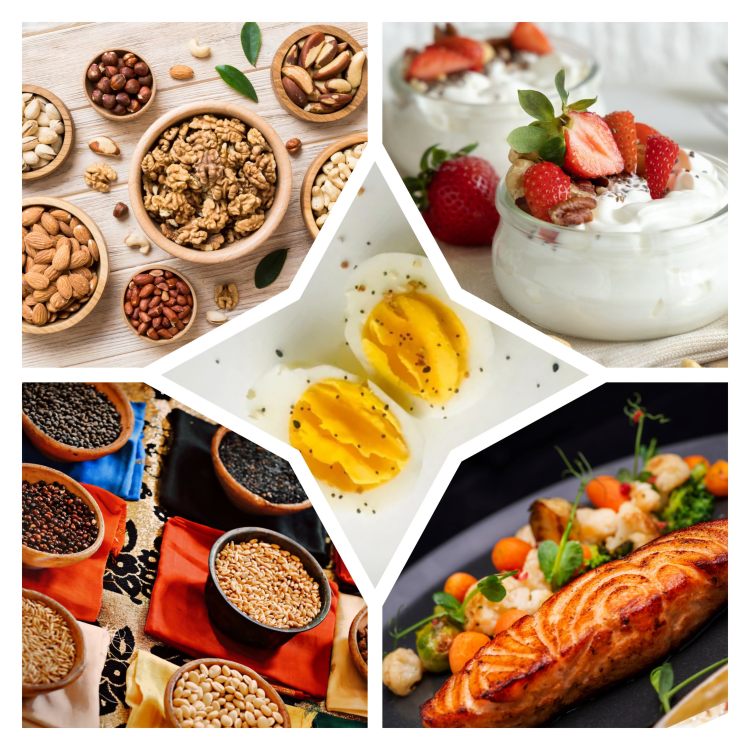
Reality: Protein powders aren’t inherently superior to whole food sources. As a dietitian, I always emphasize a food-first approach. Think whole eggs, lentils, Greek yogurt, tofu, fish, and lean meats. Whole foods offer a wealth of additional nutrients like fiber, iron, and antioxidants that supplements simply can’t replicate. While supplements can be helpful for some people in specific situations – such as when you have higher needs, have a restricted diet, or are recovering post-surgery for example. They are not a requirement for weight loss.
Myth: “Cutting carbs and loading up on protein is the best way.”
Reality: Not necessarily for everyone. While reducing carbohydrate intake can be effective for some individuals, extremely low-carb diets can be challenging to sustain long-term. They can be lacking in several food groups making it harder to meet your nutrient needs. The key to sustainable weight management lies in balanced meals that include adequate protein, fiber-rich carbohydrates, healthy fats, and plenty of vegetables. This approach helps you feel energized, satisfied, and supports overall health.
What does a protein-rich day look like?
Here’s an example of how you can build balanced, protein-rich meals using whole foods throughout the day:

Conclusion
Protein undoubtedly plays a significant and meaningful role in weight loss – from promoting fullness and preserving muscle mass to offering a gentle metabolic boost. However, it’s not about consuming as much as possible.
The real magic happens with the right amount of protein, in the right balance, distributed throughout your day.
As a Registered Dietitian, I know there’s no one-size-fits-all solution when it comes to nutrition. If you’re unsure about your specific protein needs, or if you’re looking to build balanced meals that seamlessly integrate into your lifestyle, please feel free to reach out for personalized guidance tailored to your unique needs and goals.
 Nourish to Thrive RD